- -12%
- -12%
Aquarium and pond equipment at the best prices!
For those passionate about aquariophily
Having trouble finalizing your order? Contact us 24 hours a day by email at information@zoanthus.fr.
Basin Analysis
5€ discount for your first order with the code: BIENVENUE05 (from 100€ purchase, offers cannot be combined)
Balling Products
Seawater supplements
Basic elements
Fresh Water Supplements
CO2 system
5€ discount for your first order with the code: BIENVENUE05 (from 100€ purchase, offers cannot be combined)
Water treatment
Bacterial Treatments
Adverse Treatments
Fish Care
Water treatment
Bacterial Treatments
Adverse Treatments
Fish Care
Water treatment
Bacterial Treatments
Fish Care
5€ discount for your first order with the code: BIENVENUE05 (from 100€ purchase, offers cannot be combined)
Sand
Substrate for reactor
Sea Salts
Pond Substrate
5€ discount for your first order with the code: BIENVENUE05 (from 100€ purchase, offers cannot be combined)
Seawater Equipment
Basin Equipment
5€ discount for your first order with the code: BIENVENUE05 (from 100€ purchase, offers cannot be combined)
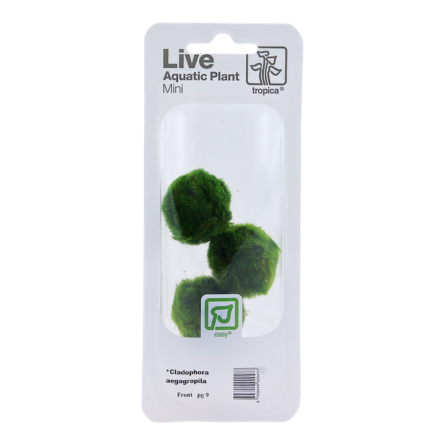
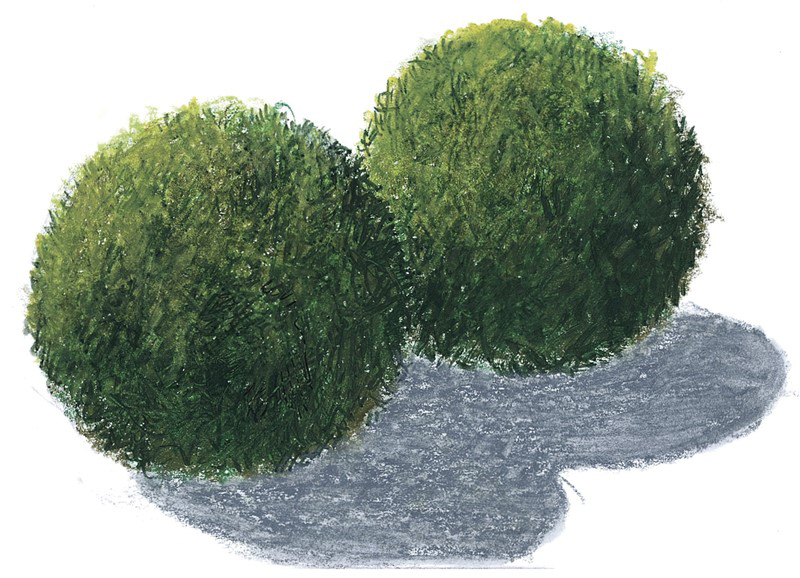
Cladophora linnaei , also known as Moss Ball or Cladophora ball, is a plant curiosity from the most peaceful lakes in the world. This ultra-decorative spherical algae , sold in blister packs of 3 "in vitro" balls, adapts to all aquariums, even the smallest. It seduces with its perfect shape and minimal maintenance . In addition to its unique charm, it offers an ideal refuge for shrimp and helps maintain cleaner water . Easy to maintain, it can also be attached to an aquarium root or a rock to create an ultra-trendy plant carpet.

Contrary to what one might think, Cladophora linnaei is not a plant but rather a filamentous green algae . Its perfectly spherical shape is shaped by the natural movements of water in the cold lakes of Europe, Asia and Japan. In an aquarium, it maintains this shape if you remember to turn it regularly. Easy to live with, it grows very slowly and does not require a CO2 system or powerful lighting . It can even survive in a simple glass jar.
It thrives in water between 5 and 27°C, with a pH of 6 to 8.5, and adapts to a wide variety of water hardnesses. Very resistant , it even tolerates brackish water. For those who wish to vary the aesthetic, it is possible to divide it into several pieces: it will form new balls or transform into a plant carpet if it is fixed to a support. An original option for creating aquascaping compositions.
In addition to its decorative aspect, Cladophora is appreciated for its qualities as a "natural filter" . It captures suspended particles and absorbs some of the nitrates present in the water. Although it is not a miracle cure for nitrates, its simple presence reduces the proliferation of other algae thanks to nutrient competition . A good complement to nutrients and the classic filter .
It's also a prime habitat for microorganisms and a perfect hiding place for shrimp and small fish. Invertebrates love to rummage through it in search of food. Some aquarists even use it in breeding tanks as a medium for live food .

The moss ball lives for a long time, up to 10 years or more. Its maintenance is simple: simply rinse it gently every 15 days in clean water from the tank. Squeeze it gently to remove impurities, reform it into a ball, and replace it. If it turns brown, white, or deteriorates, don't panic: a simple cleaning, rolling, or placing it in the shade is often enough to restore it to its original shape.
Be careful not to exceed 24°C: the balls risk deteriorating. In hot weather, you can even place them briefly in the refrigerator (without freezing them). Avoid anti-algae products, which will definitely destroy them.
Aegagropila linnaei is a fascinating species, both for its history and its form. Protected in several countries, including Japan, Iceland, and Russia, it has become a cultural symbol. In Japan, it is even celebrated annually during a traditional festival. This rarity means it is sometimes counterfeited in the form of plastic balls: it is better to choose in vitro , laboratory-grown specimens, such as those offered by Zoanthus.
Finally, contrary to popular belief, this algae is not invasive. Its ultra-slow growth makes cases of uncontrolled proliferation very rare in aquariums. If this were to occur, simply remove the young shoots. Fear of algae is often unjustified: a good filter cleaning and a good light/temperature balance are enough to avoid any problems.
Taxiphyllum barbieri , better known as Java Moss , is one of the most popular plants in aquariums. Very easy to maintain, it grows easily and requires neither intense lighting nor a CO2 system . It can be attached to rocks, roots or left free for a natural and lush effect. This aquatic moss is ideal for providing a refuge for fry and shrimp . Perfect for community aquariums as well as for breeding tanks, it allows you to create natural decors while promoting the balance of the tank.
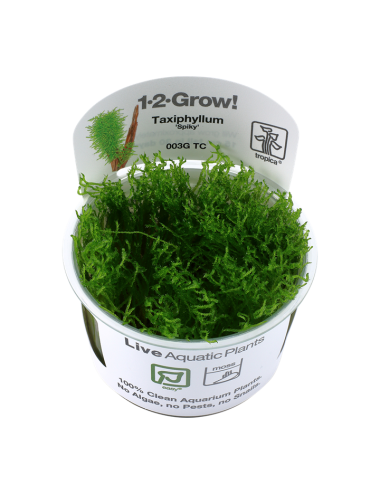
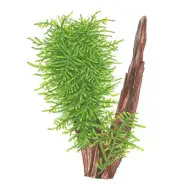
Taxiphyllum sp. 'Spiky Moss' , also known as spiky moss, is a spectacular aquarium moss with a distinctive appearance. With its dense, pine-like branches, it creates a natural yet structured decor. Offered here in in vitro culture by Tropica , it is 100% free of algae, snails, or parasites. It attaches easily to aquarium roots , rocks , or decorations, and grows between 5 and 10 cm depending on conditions. Thanks to its spreading habit and deep green hue, it can be used to create carpets, walls, or even miniature trees. Ideal for aquascaping, it adapts to all styles.
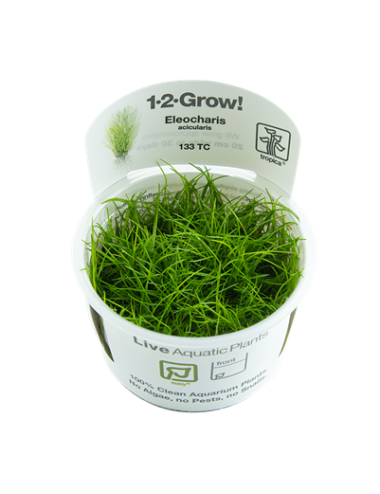
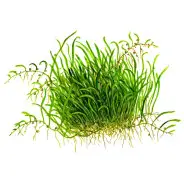
Dreaming of a lush, natural plant carpet for your aquarium? Eleocharis acicularis is the plant for you! Easy to grow, it grows quickly and adapts to a wide range of conditions. Ideal for beginners and experienced aquascapers alike, this grassy plant forms a dense, attractive carpet. It guarantees a natural look while improving water quality. Grown in vitro, it is guaranteed to be pest-free, algae-free, and free from chemical fertilizers.
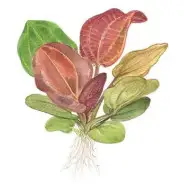
Echinodorus 'Reni' is a real gem for your aquarium. This compact cultivar is attractive for its controlled size and leaves in shades ranging from saffron red to beetroot red . It is one of the lowest growing red Echinodorus, perfect for tanks of all sizes. Its moderate growth and resistance make it an ally of choice for beginners and experienced aquarists. It thrives even without the addition of a CO2 system , and simply requires moderate light and a little nutrients to reveal its full potential. Versatile and easy to maintain, it can be planted in the background or in the background to create a lively and structured decor.
Nitrax M is a filter foam for Juwel Bioflow 3.0 filter. It provides a biological filter medium intended to break down the nitrates present in your aquarium. It inhibits the growth of algae and stimulates the vitality of your plants and fish.
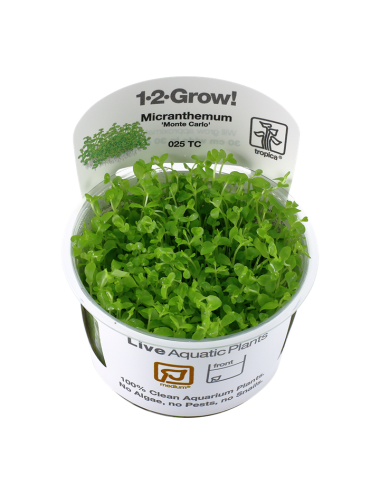
Micranthemum tweediei 'Monte Carlo' is a ground cover aquarium plant that forms a dense, lush carpet in the foreground of the tank. Native to South America, it is distinguished by its light green, rounded, and very compact foliage , perfect for creating a natural plant substrate. Easy to maintain, it thrives with good lighting and a moderate CO2 system . This versatile plant can be grown in a "dry start" to encourage its rooting before immersion. Suitable for beginners and experienced aquarists alike, it enhances any type of aquarium by adding a natural and harmonious touch.
Vesicularia montagnei 'Christmas Moss' , nicknamed Christmas Moss , is a popular aquatic moss in aquariums. Its dense, branched foliage gives it the appearance of small fir trees, perfect for covering rocks and roots in aquariums . Undemanding, it attaches easily and grows slowly, creating a natural carpet ideal for shrimp and small fish. To optimize its growth, good lighting is recommended.
Eriocaulon cinereum is a rare and fascinating aquatic plant, ideal for enhancing an aquarium. With its foliage in the form of fine green tips , it resembles a small miniature palm tree. Produced through in vitro culture, it is free of algae and parasites, guaranteeing a healthy introduction into your tank. Very popular in aquascaping, it is distinguished by its ability to flower under good conditions, offering a unique spectacle. To flourish, it requires intense lighting , a good supply of CO2 system and a soil rich in nutrients . Easy to integrate, it brings a touch of originality and naturalness to your aquatic decor.
Dreaming of a lush, natural plant carpet for your aquarium? Eleocharis acicularis is the plant for you! Easy to grow, it grows quickly and adapts to a wide range of conditions. Ideal for beginners and experienced aquascapers alike, this grassy plant forms a dense, attractive carpet. It guarantees a natural look while improving water quality. Grown in vitro, it is guaranteed to be pest-free, algae-free, and free from chemical fertilizers.
Micranthemum tweediei 'Monte Carlo' is a ground cover aquarium plant that forms a dense, lush carpet in the foreground of the tank. Native to South America, it is distinguished by its light green, rounded, and very compact foliage , perfect for creating a natural plant substrate. Easy to maintain, it thrives with good lighting and a moderate CO2 system . This versatile plant can be grown in a "dry start" to encourage its rooting before immersion. Suitable for beginners and experienced aquarists alike, it enhances any type of aquarium by adding a natural and harmonious touch.
Taxiphyllum barbieri , better known as Java Moss , is one of the most popular plants in aquariums. Very easy to maintain, it grows easily and requires neither intense lighting nor a CO2 system . It can be attached to rocks, roots or left free for a natural and lush effect. This aquatic moss is ideal for providing a refuge for fry and shrimp . Perfect for community aquariums as well as for breeding tanks, it allows you to create natural decors while promoting the balance of the tank.
Staurogyne repens is a compact and resilient aquatic plant, ideal for the foreground of your aquarium. Native to the Rio Cristalino in Brazil, this plant forms a dense, low bush thanks to its small, bright green leaves. It grows slowly and adapts easily to different aquatic environments. Its maintenance is simple: with medium light and a moderate supply of CO2, it flourishes effortlessly. Perfect for aquascaping , it creates a superb plant carpet that will enhance your natural decor. Grown in vitro, it guarantees a healthy and pest-free introduction to your aquarium.
Limnobium laevigatum , also known as Frogweed , is a floating plant native to South America. It is ideal for uncovered aquariums and adds a natural touch with its bright green leaves. Popular for its long roots that provide hiding places for surface fish, this plant is also an excellent indicator of nutrients in the water. Easy to maintain and with medium growth, it is suitable for both beginners and experienced aquarists.
Salvinia minima is a small floating fern that adds a natural and elegant touch to aquariums. Highly prized for its water-repellent leaves and rapid growth , it forms a green carpet on the water's surface, providing ideal shelter for fish and helping to limit algae growth. Easy to maintain, it grows quickly in optimal conditions and filters light for a more natural environment.
Phyllanthus fluitans , also known as Red Root Floater , is a floating plant native to South America. It is particularly popular for its heart-shaped leaves , which take on a reddish hue under intense lighting . Easy to maintain, it grows quickly and creates a spectacular surface effect while providing ideal shade for fish such as bettas. Its red roots and white flowers add a natural and original touch to any aquarium.
Riccia fluitans , also known as the water lily , is a highly versatile aquatic moss. Popularized by aquascaping master Takashi Amano , it can be used floating or attached to roots and rocks to create beautiful underwater landscapes. Easy to maintain, it forms oxygen bubbles when healthy and provides an excellent refuge for fish and shrimp. Whether you are an aquascaper or a beginner, this plant will enhance your aquarium.
What they think about it
(and they are right...)
CORINNE A.
Received not implemented (Translated review)
Sandra C.
Very good. (Translated review)