

- On sale!
- -7.15%
- -7.15%
- 3 in stock
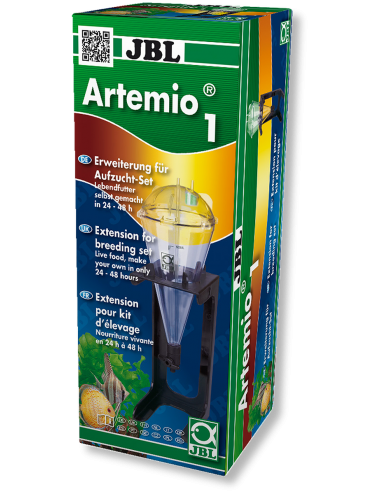
Artemia Breeding for freshwater aquarium

€6.99
-€1.00
€5.99
- On sale!
- -€1.00
- -€1.00
- 2 in stock
€6.99
-€1.00
€5.99
- On sale!
- -€1.00
- -€1.00
- 2 in stock
€13.99
-€3.00
€10.99
- On sale!
- -€3.00
- -€3.00
- 4 in stock
- On sale!
- -€5.00
- -€5.00
- 2 in stock

- 22 in stock
- -€1.00
- -€1.00
- 3 in stock
- -€1.00
- -€1.00
- 6 in stock

- 5 in stock
- 3 in stock

- -€1.00
- -€1.00
- 3 in stock

- 3 in stock
- -€1.00
- -€1.00
- 2 in stock
- 5 in stock

- -€1.00
- -€1.00
- 3 in stock

- -€2.00
- -€2.00
- Sold out
- On sale!
- -11.1%
- -11.1%
- 2 in stock
€6.49
-€0.50
€5.99
- On sale!
- -€0.50
- -€0.50
- 2 in stock

- On sale!
- 2 in stock

- On sale!
- -€0.50
- -€0.50
- 5 in stock

- 1 in stock

- 2 in stock
- 1 in stock
- On sale!
- Sold out
- Sold out

- Sold out
- On sale!
- New
- Sold out
Why raise brine shrimp in an aquarium?
Brine shrimp nauplii (freshly hatched baby brine shrimp) are an ultra-digestible live food that triggers the hunting instinct, boosts fry growth, and whets the appetite of finicky fish. Their nutritional profile is naturally rich in essential proteins and lipids, ideal for robust young and intense colors. As a bonus, home breeding is economical, safe, and available on demand , without relying on frozen or commercial live foods. To supplement daily nutrition, explore our fish food section.
What does it take to raise brine shrimp?
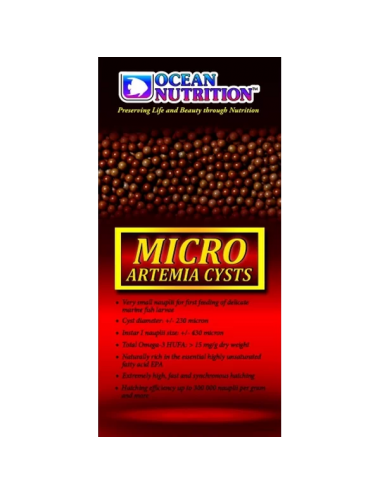
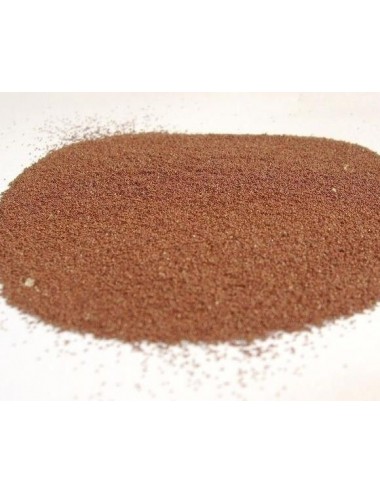
Quality brine shrimp eggs
Favor cysts with a high hatching rate , kept cool and dry. Decapsulated eggs (shell removed) can be used to accelerate priming or incubated like conventional cysts.
Hatcher or hatching system
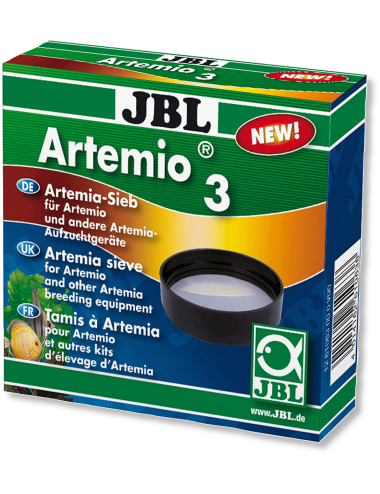
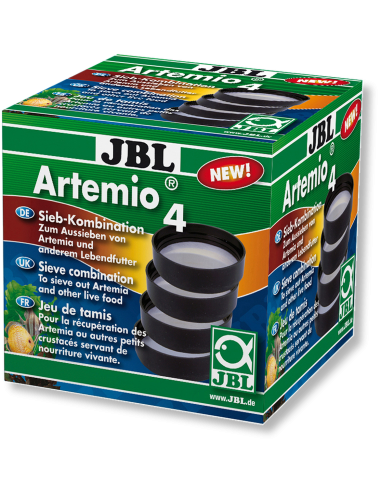
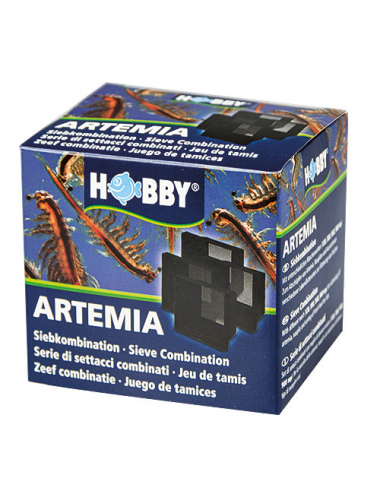
A cone or funnel with central ventilation ensures homogeneous suspension of eggs and hatching in 24–48 h. A fine sieve (≈150 µm) facilitates the collection of clean nauplii without shells.
Salt water
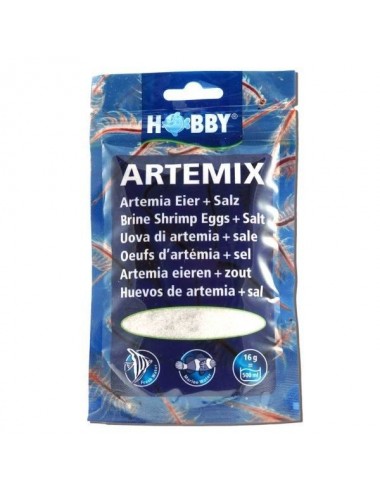
Target salinity of 30 to 35 g/L (non-iodized salt or aquarium sea salt). Reverse osmosis or demineralized water gives consistent results. Complete ready-to-measure ( salt + egg mixes ) for a routine without calculations.
Suitable lighting, heat and oxygenation
Optimal hatching temperature: 25–28 °C . Soft light improves the orientation of the nauplii towards the collection point and sustained oxygenation prevents asphyxiation of the eggs.
- Adjust photoperiod and visibility with our freshwater lighting .
- Stabilize the temperature with an aquarium heater .
- Ensure constant air circulation (pump + porous stone) or dedicated fresh water oxygenation system depending on your installation.
Products for breeding brine shrimp available on Zoanthus
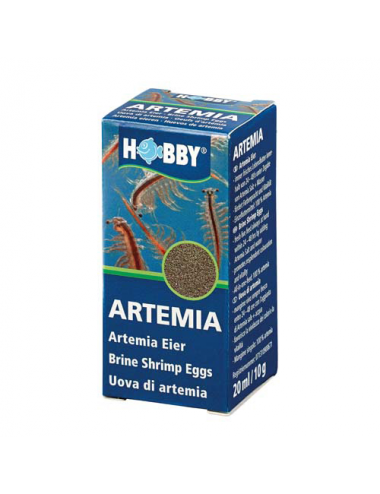
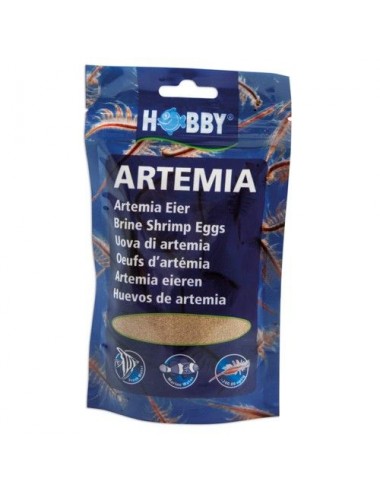
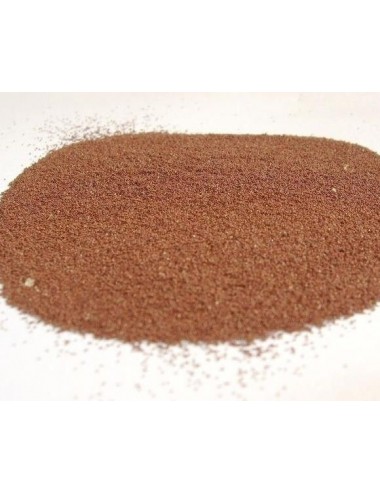
Artemia salina eggs
Selected references for high hatching rates , resealable bags or boxes. Uncapped options for direct feeding or incubation without tedious separation steps.
All-in-one breeding kits
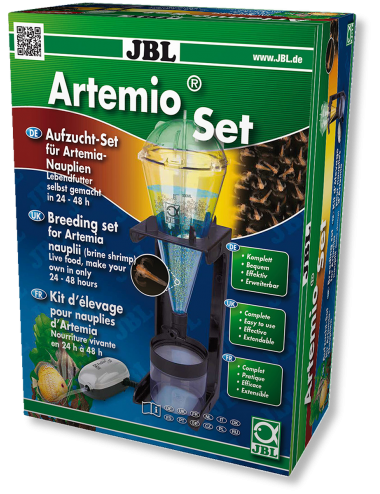
Plug & play solution: conical funnel, support, aeration, harvesting sieve. Ideal for producing fresh daily harvest and synchronizing multiple cones.
Automatic or manual hatchers
From quiet (pumpless) models to continuous air systems for large needs. Built-in purge valves and shell separation ensure a clean, ready-to-dispense nauplius.
Specific salts and nutritional supplements
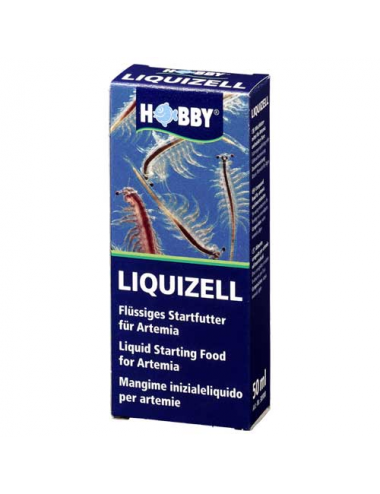
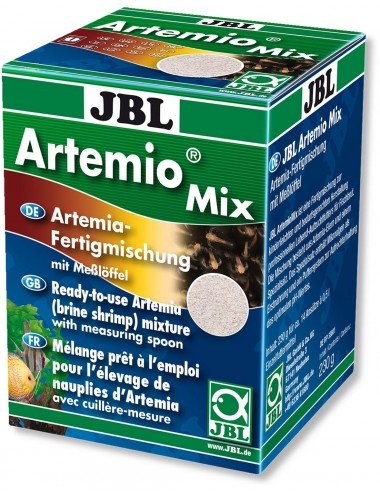
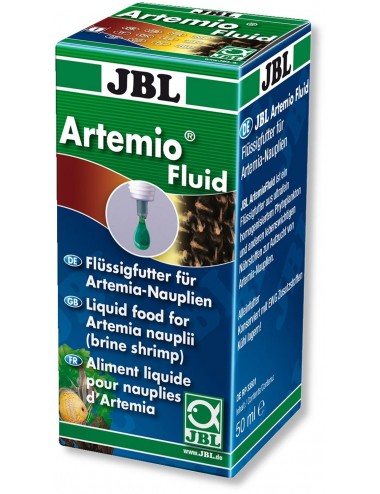
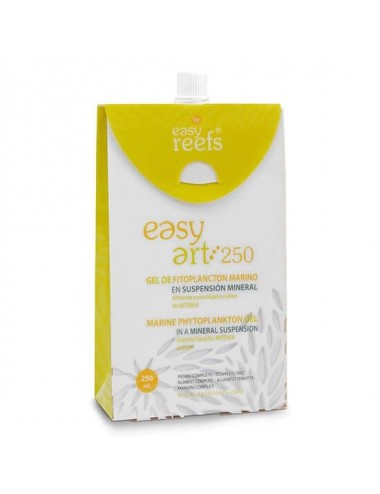
Salt + egg mixes , salts enriched with micronized phytoplankton, liquid foods ( Liquizell / ArtemioFluid ) and microalgae powders to raise to the adult stage and strengthen the nutritional value.
Tips for Successful Artemia Breeding
Ideal temperature and salinity
- Salinity: 30–35 g/L (finely adjust to maximize hatching).
- Temperature: 25–28°C (hatching 24–36 h), possible from 20°C with extended time.
- Lively and regular aeration to keep the eggs suspended and oxygenate the water column.
Hatching time and collection
- Cut off the air, let it settle: the shells float, the red nauplii concentrate at the bottom.
- Purge through the tip of the hatcher through a sieve (≈0.15 mm), rinse with fresh water before distribution.
- Flow tip: split the incubations (e.g. 2 cones alternating) for fresh nauplii each day .
How to enrich brine shrimp before distribution
- Ideally distribute within 24 hours post-hatching (yolk reserves at maximum).
- For enrichment: short baths (2–4 hours) in microalgae or multivitamin/omega complexes, then rinse.
- Objective: to increase the density of essential fatty acids for demanding fry and breeding.
Questions / Answers
How long does an artemia live?
From a few weeks to a few months depending on density, nutrition (finely dosed microalgae) and salinity. Sexually mature around 2 weeks in favorable conditions.
Can you keep brine shrimp alive?
Yes, keep the nauplii cool for a few hours (clean, oxygenated salt water). To keep adults, provide a small salt tank, low density , gentle aeration and regular addition of microalgae.
How often to feed brine shrimp?
During the fry rearing phase: small rations 2–5 times/day . For adults: 2–3 times/week alternating with pellets/gel/frozen food for a varied and balanced ration.