


- 2 in stock
Food / Feeding for freshwater aquarium

- Sold out

- Sold out

- Sold out

- Sold out
- Sold out

- Sold out

- Sold out

- 4 in stock
- Sold out

- Sold out

- Sold out

- Sold out

- Sold out
- Sold out

- Sold out
- Sold out

- Sold out

- Sold out

€6.00
-€0.01
€5.99
- -€0.01
- -€0.01
- Sold out

- Sold out

- Sold out

- Sold out

- On sale!
- Sold out
Why choose the right food for your freshwater fish?
Providing the right diet for your aquarium fish is more than just a matter of indulgence. It's the first healthy habit to adopt! Good food promotes growth, strengthens the immune system , intensifies colors and helps prevent diseases related to deficiencies. And be careful: not all fish have the same needs. You must therefore take into account their species (omnivore, herbivore or carnivore), their position in the tank (surface, middle or bottom) and their feeding behavior. In short, feeding well means knowing well. And that makes all the difference!
What types of food for freshwater aquarium fish?
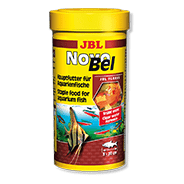
Flakes: Ideal for surface fish (guppy, molly, platy, etc.)
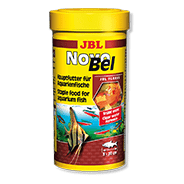
Flakes are a bit of a classic when it comes to aquarium food. They float on the surface and are therefore perfect for surface-dwelling species such as guppies , mollies or platies . Rich in nutrients and very easy to dose, they often come in enriched formulas to intensify colors or boost vitality. It's the simple and effective choice for beginners and enthusiasts alike. Find all the flake foods in our section: Flake fish food
Pellets: Suitable for fish of all sizes
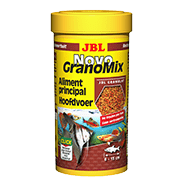
Pellets, on the other hand, have the advantage of being available in different sizes and densities: some float, others sink slowly, which allows you to target several swimming areas. They are often more concentrated in nutrients than flakes and allow for precise feeding, without waste. Ideal for community aquariums where fish of various sizes live together. Find all the granular foods in our section: Granular fish food
Tablets and lozenges: For bottom fish (corydoras, ancistrus)
Bottom-dwelling fish like corydoras and ancistrus are also entitled to their feast! The pellets sink directly to the bottom and gradually release their nutrients, which limits food competition with surface-dwelling species. Another advantage: they pollute the water very little and allow for a more relaxed feeding schedule, at their own pace.
Live or frozen food: Artemia, daphnia, bloodworms
We move on to the “luxury” version with live or frozen food. Artemia, bloodworms, daphnia… these little delicacies are ultra-nutritious and fully stimulate the hunting instinct. Whether you give it live or frozen, this food is perfect for carnivorous or omnivorous fish, and should be included once or twice a week in their routine. Note: it is best to defrost the food in a separate container before distribution, to avoid adding dirty water to the tank. We offer canned food for omnivorous fish .
How to feed your fish without polluting the aquarium?
The classic trap: wanting to do too well... and putting too much! Overfeeding your fish is one of the main causes of pollution in an aquarium. Too much food = excess nitrates, algae growth, and rising nitrites. The golden rule? Everything must be eaten within 3 minutes . If it's lying around at the bottom of the tank, it's because there was too much. It's better to feed in small quantities, several times a day, than all at once. And above all, vary the pleasures! A varied diet meets all nutritional needs and limits deficiencies.
Questions / Réponses
It depends on the species, but generally, tropical fish love a mixed diet: flakes + pellets + frozen food . This mix allows them to receive protein, fiber, and essential vitamins. For colorful fish like guppies or bettas, choose enriched foods to enhance their vibrancy.
Yes, and it's even recommended! By alternating forms (flakes, granules, live, etc.) and compositions (plant, animal, mixed), you stimulate the appetite , avoid deficiencies, and make feeding more fun to observe. Just one precaution: don't overload the aquarium. Always respect reasonable quantities.
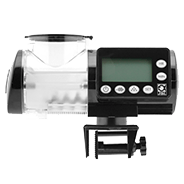
There are several solutions. For a short absence, opt for holiday food blocks , which dissolve slowly in the water. For longer periods, invest in an automatic food dispenser , programmable according to your fish's needs. It's simple, practical, and your fish will stay fed even when you're not there.