Aquarium and pond equipment at the best prices!
For those passionate about aquariophily
Having trouble finalizing your order? Contact us 24 hours a day by email at information@zoanthus.fr.
Basin Analysis
5€ discount for your first order with the code: BIENVENUE05 (from 100€ purchase, offers cannot be combined)
Balling Products
Seawater supplements
Basic elements
Fresh Water Supplements
CO2 system
5€ discount for your first order with the code: BIENVENUE05 (from 100€ purchase, offers cannot be combined)
Water treatment
Bacterial Treatments
Adverse Treatments
Fish Care
Water treatment
Bacterial Treatments
Adverse Treatments
Fish Care
Water treatment
Bacterial Treatments
Fish Care
5€ discount for your first order with the code: BIENVENUE05 (from 100€ purchase, offers cannot be combined)
Sand
Substrate for reactor
Sea Salts
Pond Substrate
5€ discount for your first order with the code: BIENVENUE05 (from 100€ purchase, offers cannot be combined)
Seawater Equipment
Basin Equipment
5€ discount for your first order with the code: BIENVENUE05 (from 100€ purchase, offers cannot be combined)
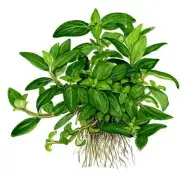
The Rotala rotundifolia in a mini pot is the perfect plant for those who want to bring color and dynamism to the bottom of their aquarium . Very popular in planted tanks, it develops green, yellow or red foliage depending on the light intensity . With strong lighting , its stems take on magnificent pink to orange-red tones. Sold in a mini coconut fiber pot, it is ready to plant , without preparation or separation of stems. It is a plant with a stem that is quick and easy to cut , ideal for creating a bushy effect. It adapts very well even without a Co2 system , and is easily pruned to maintain a nice density.

Native to Asia, Rotala rotundifolia grows in humid areas such as rice paddies or river banks. In aquariums, it can reach 30 to 60 cm in height , with thin, flexible stems covered with narrow, colorful leaves . Its name “rotundifolia” comes from its round leaves when emerged, but when submerged, they become long and thin.
This plant grows quickly and produces a large number of shoots, giving it a very dense appearance. To prevent it from blocking the light on the lower leaves, regular pruning is recommended. Trimming the heads produces wider growth and a beautiful bushy effect. It is perfect for structuring the bottom of the aquarium or for creating a "plant street" in Dutch-style tanks.
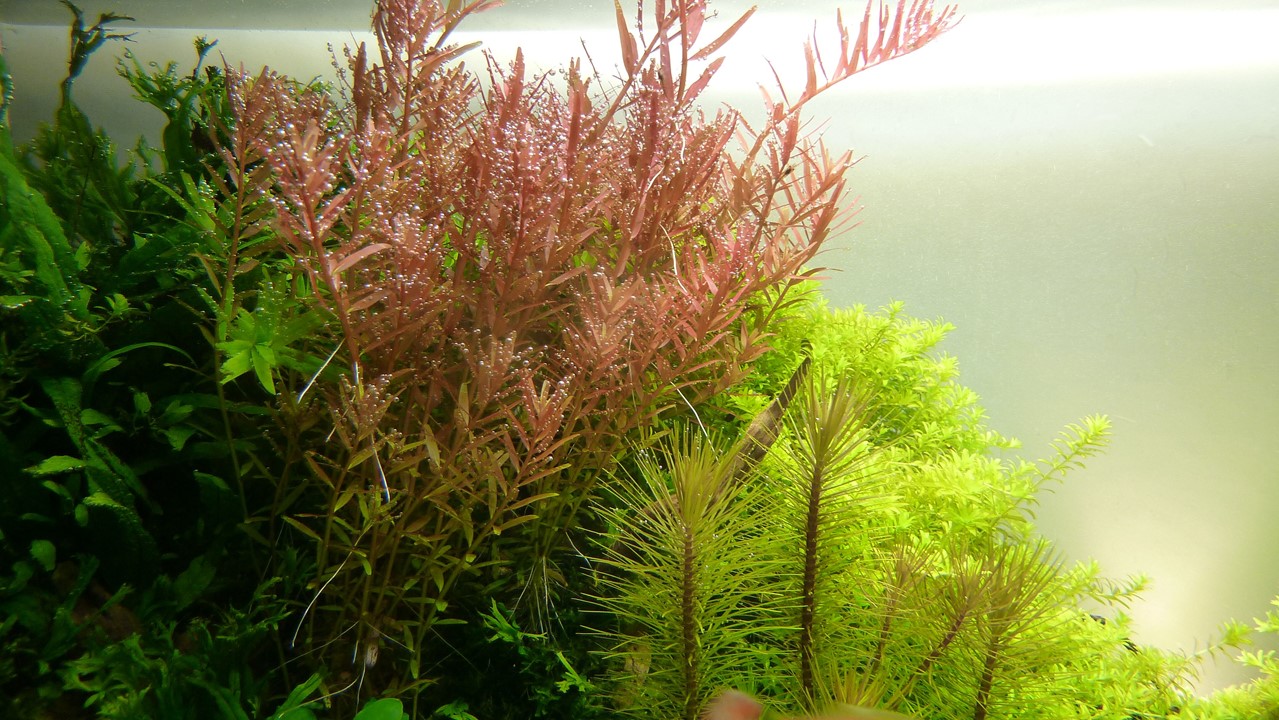
Rotala rotundifolia is undemanding. It adapts to a wide range of parameters: temperature between 18 and 30°C , pH from 6 to 7.5 , and GH from 0 to 12. It thrives in most tanks, even with moderate lighting. But the stronger the light, the more spectacular the red coloration. A supply of nutrients and well-maintained water with a good filter will help maintain healthy growth.
This is a perfect plant for beginners and enthusiasts alike. It is easy to propagate: simply cut off a healthy stem and replant it . You can also prune stems that are too tall and replant the upper part. It does not require any special nutrient substrate , grows equally well in sand or richer soil, and combines very well with mosses or aquarium roots for a natural and structured look.
With its colorful leaves and ability to quickly structure a space, Rotala rotundifolia is a smart and aesthetic choice for all types of containers. It's a great ally for absorbing nitrates, and its rapid growth allows for a complete display in a short time.
5-in-1 cleaning set including: algae scraper, landing net, sponge, gravel rake and planting pliers.
Microsorum pteropus 'Narrow' , also known as the narrow-leaved Java fern, is an ideal aquarium plant for beginners and aquascaping enthusiasts alike . It grows naturally attached to an aquarium root or rock , without the need for substrate, making it very easy to install. Its thin, elongated leaves offer a fluid and elegant movement in the water . It is not demanding: moderate light, no need for CO2, and a good ability to adapt to different parameters. In addition to being decorative, it also offers perfect hiding places for fish and shrimp . It is a plant that grows slowly but surely.
This SALIFERT brand analysis kit allows you to accurately measure the calcium level of your seawater. Allows you to take 50 to 100 measurements.
This analysis kit from the SALIFERT brand allows you to measure the Kh of your seawater with precision. Allows you to take 100 to 200 measurements.
7.5cm landing net for aquarium ideal for fishing your fish and other animals - 1.8mm mesh
MICROBE LIFT theraP are strains of bacteria that provide the aquarium with a natural ecosystem, improve fish health and overall water quality.
Effective in freshwater and seawater.
Glass thermometer with suction cup to stick inside the aquarium or decanter.
MICROBE LIFT theraP are strains of bacteria that provide the aquarium with a natural ecosystem, improve fish health and overall water quality.
Effective in freshwater and seawater.
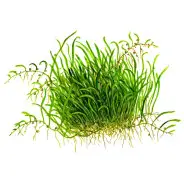
Utricularia graminifolia from Tropica is a bit of a UFO among aquarium plants. With its miniature grass look and surprising carnivorous properties, this in vitro plant is a sensation in the foreground. It forms a pretty, dense, light green carpet , all in finesse, which dresses the aquarium floor with a stunning naturalness. In addition to its ultra decorative appearance, it feeds on microorganisms thanks to its small invisible skins , a real plus in well-balanced tanks. It loves light, thrives in soft water and prefers a dry planting to root well. With a good CO2 system and a little patience, it becomes the number one visual asset of your aquascape.
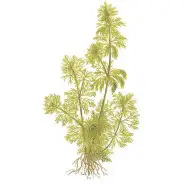
Tropica 's Rotala wallichii is an exceptional stem plant for enthusiasts who love challenges... and rewards. With its finely cut foliage and spectacular pinkish-red color in good lighting, it transforms an aquarium background into a living tableau. It grows up to 30 cm tall and offers a magnificent contrast with surrounding green plants. Very decorative when planted in groups, it requires strong lighting and a well-established CO2 system . Soft, slightly acidic water and good nutrients are also essential to reveal its full potential. A true star for well-maintained tanks.
Blyxa japonica from Tropica is a unique aquarium plant. With its leaves shaped like soft strands that undulate in the current, it immediately gives a natural and lively look to the decor. Its dense habit and its olive green color that can turn red under strong light make it an ideal choice for the middle or background of the tank. Cultivated in vitro, it arrives without algae, snails, or pesticides , and integrates easily into aquascapes of all sizes, even nano. Moderately demanding, it appreciates intense lighting , a good substrate, and a CO2 system if possible. A plant that is both graphic and functional, perfect for adding movement and texture.
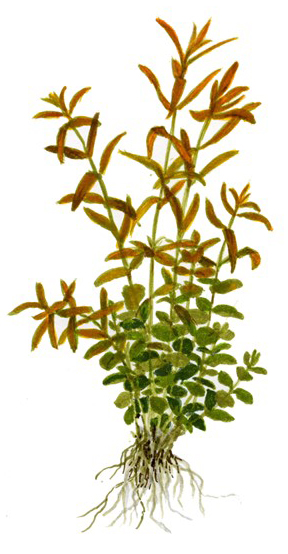
Rotala rotundifolia 'Blood Red' is undoubtedly one of the most spectacular plants for adding color to an aquarium. A native of Asia, this variety boasts a deep, vibrant red color that creates a striking contrast alongside light green plants. Easy to maintain, it thrives even in moderate light and nutrient conditions, although strong lighting and an optimized CO2 system are recommended to reveal its full potential. It grows tall, with gently arching stems that form a dense, bushy structure. Easily trimmed, it can be used to create colorful, dynamic, and modern displays in any type of tank.
Microsorum pteropus 'Narrow' , also known as the narrow-leaved Java fern, is an ideal aquarium plant for beginners and aquascaping enthusiasts alike . It grows naturally attached to an aquarium root or rock , without the need for substrate, making it very easy to install. Its thin, elongated leaves offer a fluid and elegant movement in the water . It is not demanding: moderate light, no need for CO2, and a good ability to adapt to different parameters. In addition to being decorative, it also offers perfect hiding places for fish and shrimp . It is a plant that grows slowly but surely.
What they think about it
(and they are right...)
Celine r.
Good (Translated review)